Showing posts with label health. Show all posts
Showing posts with label health. Show all posts
Wednesday, February 5, 2014


Health Issues Associated With Spaying and Neutering
By Dr. Becker
Whenever I discuss scientific evidence related to the health risks of spaying and neutering here at Mercola Healthy Pets or on my Facebook page, I receive a lot of negative feedback from people who are absolutely certain I’m encouraging pet overpopulation and irresponsible pet ownership. So, I decided to make a video to explain to those who are standing in judgment why nothing could be further from the truth.
I Was Once a Huge Advocate of Spaying or Neutering Every Dog at an Early Age
I started volunteering at an animal shelter when I was 13 years old. I started working there when I was 14. I cleaned cages. By the time I was 17, I had become certified as a euthanasia technician by the Iowa State College of Veterinary Medicine. The ten years I spent working at a kill shelter and the exposure to certain clients and cases in my veterinary practice over the years have taught me more than I ever wanted to know or could share in this video about abused, neglected, and unwanted pets.
When I first opened my animal hospital, I was so adamant about my clients spaying their female pets before the first heat cycle, that if they didn’t follow my advice, I really became upset. I tried not to show it outwardly, but I suggested that those clients might be more ethically aligned with another veterinarian who didn’t feel as strongly about the subject as I did.
That was my politically correct way of saying, “Maybe you should go to another vet,” because I would literally lose sleep over having intact patients in my practice. I spayed and neutered thousands of my patients when they were very, very young, assuming I was completing my moral task as an ethical veterinarian.
Five Years into Private Practice, Many of My Canine Patients Began to Develop Endocrine Imbalances and Related Diseases
About five years after my practice opened, many of my patients started to develop endocrine issues. This was obviously very concerning to me, as these animals were not over-vaccinated. They were all eating biologically appropriate, fresh food diets.
The first light bulb went off in my head when I started researching why up to 90 percent of ferrets die of endocrine imbalance, specifically adrenal disease or Cushing's disease. Mass-bred ferrets that enter the pet trade are desexed at about three weeks of age.
The theory behind why most ferrets develop endocrine imbalance is that juvenile desexing creates a sex hormone deficiency, which ultimately taxes the last remaining tissues of the body capable of producing a small amount of sex hormone – the adrenal glands. So I began to wonder… could the same phenomenon be happening with my dog patients?
By 2006, the number of dogs I was diagnosing with hypothyroidism was at an all-time high. Diagnosing low thyroid levels is very easy compared to the complex adrenal testing required to show that a dog has adrenal disease. I started to wonder if hypothyroidism was just a symptom of a deeper hormonal imbalance in many of my patients. Because even after we got those thyroid levels balanced, the dogs still didn’t appear to be vibrantly healthy or entirely well.
I contacted Dr. Jack Oliver, who ran the University of Tennessee’s adrenal lab, and posed my theory to him. I was stunned when he told me that indeed adrenal disease was occurring at epidemic proportions in dogs in the U.S. and was certainly tied to sex hormone imbalance. Now, whether veterinarians were testing and identifying the epidemic was a whole different story.
In a Flash of Recognition, I Knew My Insistence on Desexing All My Patients at a Young Age Had Created Serious Health Problems for Many of Them
At this point, I became overwhelmed with guilt. For many years, I insisted my clients follow my advice to spay or neuter their pets at or before six months of age. It hit me like a lightning bolt that I was making this suggestion not based on what was physiologically best for my patients, but rather what I felt was morally best for their owners.
As all of the patients that I desexed at a young age cycled through, many of them with irreversible metabolic diseases, I started apologizing to my clients. I apologized to my patients as well. Through my blanket recommendation that all pets be desexed because humans may be irresponsible with an intact animal, I had inadvertently made many of my patients very ill. As a doctor, this revelation was devastating.
I began changing my recommendations on spaying and neutering. I advised my clients to leave their pets intact. Now, you must realize my veterinary practice is filled with wildly committed owners. I am not dealing with uneducated, uncaring, or unreliable clients.
Of course, there were and are exceptions to my advice against desexing. But in general, my recommendation as a holistic vet is to perform any surgery – including spaying and neutering – only when it’s a medical necessity and not an elective procedure.
I recently adopted a stray Dachshund who is intact, and I plan to leave him intact. I am an intact female myself. I am proud to say that I have not experienced a single unplanned pregnancy in my personal life or in my career at my practice as a holistic vet catering to thousands of intact animals.
If you are an irresponsible pet owner who allows your intact pet outside without a leash and direct supervision, this video is not for you. Please sterilize your pet before allowing him or her outside again, as you are contributing to the overpopulation problem. Please rethink how you care for your pet, or consider not having pets.
My Views on Sterilization of Shelter Pets
The subject of spay/neuter is a huge one, and if I were to attempt to cover every aspect of it, this video would be three hours long. Suffice it to say that until we get our nation’s shelter systems revamped, animals will continue to be spayed as juveniles. For now, that’s that. We won’t change anything with this video. Are we pushing for shelter vets to learn ovary-sparing techniques that allow for sterilization without sex hormone obliteration? Yes. But for now, that isn’t happening.
I could have made a dozen different choices in my professional career that would have been satisfying, including being a shelter vet. If I were a shelter vet right now, I would be pushing for sterilization techniques that preserve normal endocrine function. I chose the path of a wellness veterinarian because that resonated the most with my personal goals in life. As I’ve explained, I’ve made many mistakes. I’ve apologized directly to the owners and the dogs that I desexed as puppies before I knew any better.
I am as committed as ever to preventing and treating illness in individual family pets. I’m not, however, advocating the adoption of intact animals to people who may or may not be responsible pet owners. Shelter vets don’t have the luxury of building relationships with their adoptive families, so all the animals in their care must be sterilized prior to adoption. I totally agree with this. I don’t necessarily agree with the method of sterilization being used.
Why I Believe Sterilization, Not Desexing, Is the Better Option
As a proactive veterinarian, I have dedicated my life to keeping animals well. I have learned and continue to learn the best ways to help pets stay healthy and the reasons disease occurs. I am also a holistically oriented vet, which means I view animals as a whole – not just a collection of body parts or symptoms.
I believe there is a purpose for each organ we are born with, and that organ systems are interdependent. I believe removing any organ – certainly including all the organs of reproduction – will have health consequences. It’s inevitable. It’s simply common sense.
There is a growing body of evidence suggesting that desexing dogs, especially at an early age, can create health and behavior problems. When I use the term “desexing,” I’m referring to the traditional spay and neuter surgery where all the sex hormone-secreting tissues are removed. When I use the term “sterilization,” I’m referring to animals that can no longer reproduce, but maintain their sex hormone-secreting tissues.
In my view, I would not be fulfilling my obligation as an animal healthcare professional if I chose to ignore the scientific evidence and not pass it on to Healthy Pets readers and the clients at my practice who entrust me with the well being of their animals.
Health Issues Linked to Spaying and Neutering Dogs
Before I discuss some of the health issues now associated with desexing dogs, first let me point out that there are two medical conditions that actually can be totally eliminated by desexing: benign prostatic hypertrophy or BPH (enlarged prostate), and pyometra (a disease of the uterus). However, a wealth of information is mounting that preserving innate sex hormones, especially in the first years of life, may be beneficial to pets, whereas the risk of pyometra or BPH in an animal’s first year of life is incredibly low.
Recent research has also discredited a couple of myths about the supposed benefits of early spays and neuters, including:
And now for some of the disorders and diseases linked to spaying/neutering:
- A study from the U.K. suggests there isn’t much scientific evidence at all to support the idea that early spaying of female dogs decreases or eliminates future risk of mammary tumors or breast cancer. This has been a much promoted supposed benefit of early spays for decades. But as it turns out, it’s based on theory rather than scientific evidence.
- Similar to the situation with early spaying and mammary tumors, there’s a common belief that neutering a male dog prevents prostate cancer. However, a small study conducted at Michigan State University’s College of Veterinary Medicine suggests that neutering – no matter the age – has no effect on the development of prostate cancer.
Shortened lifespan. A study conducted and published in 2009 by the Gerald P. Murphy Cancer Foundation established a link between the age at which female Rottweilers are spayed and how long they live. Researchers compared long-lived Rotties that lived for 13 years or more with those who lived a normal lifespan of about 9 years.
They discovered that while females live longer than males, removing the ovaries of female Rottweilers before five years of age evened the score. Females who kept their ovaries until at least 6 years of age were four times more likely to reach an exceptional age compared to Rotties who were spayed at a younger age.
I spayed my rescued Rottie, Isabelle, when I adopted her at seven years of age. She lived to be 17, and she was still unbelievably vibrant at 17. She slipped on the floor in a freak accident and became paralyzed, which ultimately led to her euthanasia. But she was the oldest and healthiest Rottweiler I have ever met.
With Isabelle, I provided literally no medical care because she didn’t need it. Her body naturally thrived throughout her life. I fed her a balanced raw diet. I checked her bloodwork every six months, which was perfect until the day she died. Isabelle was a great example of a thriving pet that lived above the level of disease. I believe her sex hormones greatly contributed to her longevity and her abundantly healthy life.
Atypical Cushing’s disease. It’s my professional opinion that early spaying and neutering plays a role in the development of atypical Cushing's disease as well. Typical Cushing’s means the middle layer of the adrenal gland is over-secreting cortisol. Atypical Cushing’s involves the outer and innermost layers of the adrenal glands and occurs when other types of hormones are over-produced, usually estrogen and progesterone.
When a dog is spayed or neutered before puberty, the endocrine, glandular and hormonal systems have not yet fully developed. A complete removal of the gonads, resulting in stopping production of all the body’s sex hormones (which is what happens during castration or the traditional spay), can force the adrenal glands to produce sex hormones because they’re the only remaining tissue in the body that can secrete them.
Over time, the adrenal glands become taxed from doing their own work plus the work of the missing gonads. It’s very difficult for these tiny little glands to keep up with the body’s demand for sex hormones. This is the condition of atypical Cushing’s. Hormone disruption is a central feature in Cushing’s disease. Any substance or procedure that affects the body’s hormonal balance should be absolutely evaluated as a potential root cause.
Cardiac tumors. A Veterinary Medical Database search of the years 1982 to 1985 revealed that in dogs with tumors of the heart, the relative risk for spayed females was over four times that of intact females. For the most common type of cardiac tumor, hemangiosarcoma, spayed females had a greater than five times risk vs. their intact counterparts. Neutered males had a slightly higher risk than intact males as well.
Bone cancer. In another Rottweiler study published 10 years ago for both males and females spayed or neutered before one year of age, there was a one in four lifetime risk of developing bone cancer. Desexed Rotties were significantly more likely to acquire the disease than intact dogs. In another study using the Veterinary Medical Database for 1980 to 1984, the risk of bone cancer in large-breed, purebred dogs increased two-fold for those dogs that were also desexed.
Abnormal bone growth and development. Studies done in the 1990s concluded dogs spayed or neutered under one year of age grew significantly taller than non-sterilized dogs or those dogs spayed or neutered after puberty. The earlier the spay or neuter procedure, the taller the dog. Research published in 2000 may explain why: it appears that the removal of estrogen-producing organs in immature dogs – both females and males – can cause growth plates to remain open. These animals continue to grow and wind up with abnormal growth patterns and bone structure. This results in irregular body proportions, possible cartilage issues, and joint conformation issues.
Higher rate of CCL ruptures. A study conducted at Texas Tech University Health Sciences Center on cranial cruciate ligament injuries concluded that spayed and neutered dogs had a significantly higher incidence of rupture than their intact counterparts. While large-breed dogs had more CCL injuries, sterilized or desexed dogs of all breeds and sizes had an increased rupture rate.
Hip dysplasia. In a retrospective cohort study conducted at Cornell University’s College of Veterinary Medicine, results showed that both male and female dogs sterilized at an early age were more prone to hip dysplasia.
Breed-specific effects of spay/neuter. A recent study conducted at the University of California Davis involving several hundred Golden Retrievers revealed that for the incidence of hip dysplasia, CCL tears, lymphosarcoma, hemangiosarcoma, and mast cell tumors, the rates were significantly higher in both males and females that were neutered or spayed compared with intact dogs.
Other health concerns. Early spaying or neutering is commonly associated with urinary incontinence in female dogs and has been linked to increased incidence of urethral sphincter incontinence in males.
Spayed or neutered Golden Retrievers are much more likely to develop hypothyroidism.
A cohort study of shelter dogs conducted by the College of Veterinary Medicine at Texas A&M University concluded that infectious diseases were more common in dogs that were spayed and neutered at under 24 weeks of age.
The AKC’s Canine Health Foundation issued a report pointing to higher incidence of adverse reactions to vaccines in spayed and neutered dogs as well.
Among the reports and studies pointing to health concerns associated with early spaying and neutering, we also find mention of increased incidence of behavior problems, including noise phobias, fear behavior, aggression, and undesirable sexual behaviors.
Options to Traditional Spaying and Neutering
Veterinarians in the U.S. and Canada are trained only to spay and neuter, which is unfortunate since there are less invasive alternatives, such as tubal ligation, hysterectomy, and vasectomy. These techniques are quick and easy and certainly effective. In fact, commonly, once the technique is mastered, they’re faster, less risky and potentially less costly than a full spay or neuter.
But unfortunately, nobody knows how to do them in this country. The reason they’re hard to come by is because U.S. veterinary schools simply don’t teach these alternative procedures. They’ve never had a reason to. And until pet owners start demanding sterilization options beyond spaying and neutering, the status quo will remain.
As author Ted Kerasote and I have discussed on numerous occasions, in many European countries, there are intact free-roaming dogs running about under voice control of their owners. When female dogs go into heat, owners simply manage the situation by removing them from group social events until their heat cycle is complete. They’re kept at home, sequestered away from males. They’re walked on a leash.
Ted tells the story of a British veterinarian he interviewed who said most of the requests he gets to neuter dogs come from U.S. and Canadian citizens who are living in London. Rather than immediately complying with the request, the veterinarian talks with the pet owner about the actual necessity to desex the dog.
For example, if the dog is always on a leash and always under the owner’s control, then how exactly would the dog become pregnant (or mate with a female) if it’s constantly with the owner and never off leash? The veterinarian says that he rarely has a British pet owner request a spay or neuter procedure.
Most Americans can’t even comprehend that it’s possible to keep intact pet dogs and not have millions of litters of unwanted puppies. That’s because we’ve been conditioned to believe that a responsible pet owner means spaying and neutering your dog. I was taught to believe the same thing -- that keeping an intact pet was considered irresponsible even if the owner is meticulously careful about not allowing the pet to breed.
Of course, our dependence on spaying and neutering as the only form of birth control is the result of generations of irresponsible pet owners and millions of unwanted dogs and cats that are killed annually in our animal shelters.
It is a vicious cycle, and it’s a very frustrating cycle to witness. Irresponsible people need to have sterilized pets. No one’s going to argue that point. Unfortunately, spaying and neutering responsible people’s pets doesn’t make irresponsible people any more responsible. They remain the root cause of the overpopulation crisis in this country.
My problem with the spaying and neutering issue is it’s the only current solution to the overpopulation problem. We’re not just halting the animal’s ability to reproduce, we are also removing incredibly valuable sex hormone-secreting tissues like the ovaries and the testes. These organs serve a purpose.
We’re slowly waking up to the fact that in our rush to spay or neuter every possible animal we can get our hands on – the younger, the better – we are creating health problems, sometimes life-threatening health problems, that are non-existent or significantly less prevalent in intact pets.
Responsible Ownership of an Intact Female Dog
First of all, you should know that not everyone is cut out to be the owner of an intact male or female dog. Part of the popularity of full spays and neuters vs. other means of sterilization is that it’s just plain convenient for pet owners. Not only do spays and neuters render the animal unable to reproduce, but they also remove all of the messiness of female heat cycles and most of the pet’s key mating behaviors for both sexes.
Female dogs don’t have monthly periods like humans do. They have one, or usually two heats a year. You can typically tell a female heat cycle is on its way when your intact female’s vulva begins to enlarge. Just like humans there’s bleeding involved, but unlike human females who are not fertile during menstruation, dogs are just the opposite. Female dogs can get pregnant only during heats for about three to four days as unfertilized eggs ripen in their bodies.
Some dogs will signal during this time by flagging, which means lifting the tail base up and to the side. Some females will stand and can be mounted at any time during their heat cycle, including before and after they’re pregnant or fertile. Others show no behavior signs whatsoever. Owners of intact female dogs must be certain of the signs of heat in their pets, so that they can separate them from male dogs during this important time.
Never underestimate the determination of an intact male dog that wants to mate with a female dog in heat. I’m telling you, if you have a female dog, male dogs will come visit her from across a tri-state area because she’s putting out some very attractive pheromones.
With proper training, reinforcement, and constant supervision, however, male dogs can learn to be in the presence of a female while supervised, even when she’s in heat, without mating. Some people with both an intact male and female don’t want to put the effort into managing male dogs around cycling females and simply ship them off to a friend or relative’s house until the heat cycle is over.
If you have a female dog in heat, you should never leave her outside alone even for a second. It doesn’t matter if you have a fenced-in yard. If there’s an unsupervised male around, there’s absolutely a risk of impregnation through the fence (or over the fence, or under the fence).
The heat cycle of a female dog lasts about three weeks, but the menstrual bleeding can be unpredictable during that time. It’s neither consistently heavy nor is it every day, all day. Many owners of intact female dogs invest in special diapers or panties that can hold a sanitary napkin to contain the discharge.
At my house we just get a baby gate, and we gate our special lady of the month in the kitchen area. We put a dog bed in there, and then we just mop a couple of times a day. Typically, female dogs are incredibly good at keeping themselves very clean. Most of the time, there’s very little mess.
Responsible Ownership of an Intact Male Dog
Intact males should receive positive reinforcement behavior training to stop urine marking in the house as well as any humping behavior that may occur.
The intact, male, adult Dachsie we just rescued – his name is Lenny – became Lenny Loincloth after a few days in our house for obvious reasons. He acquired his last name because he marked absolutely every corner of every piece of furniture we own. To reduce this totally undesirable behavior and reinforce healthy housebreaking, we put a belly band on him. We call it his loincloth.
It’s a little diaper that holds his penis to his abdomen. Dogs innately do not want to urinate on themselves; they want to pee and mark on objects. By belly banding him, we reinforce good behavior like going potty outside and not marking in the house. I’m proud to say that in one month’s time, we’ve really helped him kick his marking habit for the most part.
Constant positive reinforcement was really necessary with Lenny, as it is with all dogs. We also discovered the first day Lenny was in our house that he liked to hump everything in sight. He preferred humping pillows and dog beds. We simply picked those pillows and dog beds up. We didn’t give him access to objects that tempted his undesirable behavior. He hasn’t humped anything in three weeks. So there are ways to positively reinforce good behavior and extinguish negative intact male dog behaviors if you put in the effort.
Your unneutered male should never be off-leash unless you are absolutely sure you won’t run into an intact female dog or he’s under constant voice control around all dogs. You also need to be in control of your dog while he’s leashed. If your intact male or female dog is able to jerk away from you when he or she gets excited, then your dog is not under your control despite the leash.
I recommend positive reinforcement behavior training for all dogs, especially intact dogs. And it’s an absolute necessity for powerfully built, intact male dogs. Remaining in obedience class for a dog’s first 16 months of life is an excellent foundation for good manners for the rest of his life.
If your dog becomes assertive, desexing (a full neuter) can be an important part of managing long-term behavior issues. Again, in this instance, if you have an aggressive dog, we must evaluate the risks vs. benefits. The health benefits of leaving a temperamental dog intact do not outweigh the greater risk of this aggressive animal being re-homed, dumped, or abused – or hurting another animal or human. With behavior issues, spaying or neutering can be a logical choice. It’s better to have endocrine disease but be in a loving home, than be disease-free but dumped at a kill shelter for a behavior problem.
Keep in mind that out in the world, at least in North America, you and your intact dog will not have a whole lot of company in this day and age. You won’t be able to take your dog everywhere a spayed or neutered dog is allowed to go. If your dog is a male, prepare to deal with plenty of prying questions and even anger from people who will pre-judge you as totally irresponsible.
When Lenny sees people, he flops on his back and says, “Hello, hello, hello!” Everyone’s comment is, “What are those?” And then “When are those coming off,” pointing to his testicles.
What About My Cat?
Luckily, thus far, research has shown that our feline companions don’t have the same negative long-term physiologic consequences associated with desexing that plague our canine population. We may identify potential links in the future, but thus far, it appears our canine companions are more negatively affected by spaying or neutering.
I made this video so you could understand why I no longer take a cookie-cutter approach to desexing all juvenile pets. The decision to sterilize, spay, or neuter your pet, at what age, and with what technique is a very personal decision that is based on your dog’s breed, temperament, personality, and your commitment to training, lifestyle management, and responsible pet ownership.
Friday, January 17, 2014
"Agent Orange" Crops Would Trigger Massive Increase in Use of Toxic Pesticide 2,4-D

Center for Food Safety Vows to Lead Food Movement in Opposition
Center for Food Safety (CFS) today declared strong opposition to the next generation of genetically engineered (GE) corn and soybeans designed by Dow Chemical to withstand application of the toxic pesticide 2,4-D.
The declaration comes as the U.S. Department of Agriculture (USDA) issued an “Environmental Impact Statement” which recommended approving the GE products for commercial use. Center for Food Safety launched a petition [link] to allow consumers to voice their opposition to the crops developed under the brand name “Enlist”.
“We expected better from the Obama Administration,” said Center for Food Safety executive director Andrew Kimbrell. “This is among the worst applications of biotechnology. ‘Agent Orange crops’ are designed to survive a chemical assault with 2,4-D. They will increase the use of toxic pesticides in industrial agriculture while providing absolutely no benefit to consumers.”
2,4-D (2,4-dichlorophenoxyacetic acid), produced by Dow Chemical, was a component of “Agent Orange,” the toxic defoliant used on Vietnam. 2,4-D and other herbicides of its class have been independently associated with deadly immune system cancers, Parkinson’s disease, endocrine disruption, and reproductive problems.
USDA’s review of 2,4-D corn and soybeans comes despite intense opposition from over 365,000 individuals, 48 medical and health professionals, and 144 farm, fishery, public health, consumer and environmental groups and private businesses who registered objections with USDA.
“We are extremely disappointed with USDA’s review of 2,4-D corn and soy,” said Kimbrell. “If finalized, this decision would launch American agriculture into a new era of vastly increased dependence on more toxic pesticides. The Obama Administration must overturn this dangerous and misguided proposal.”
Penn State scientists have projected that widespread cultivation of 2,4 D resistant soybeans would trigger a substantial increase in the use of 2,4-D. “Enlist” crops would increase agricultural use of 2,4-D to over 100 million lbs. per year, four times current levels.
“Any increase in the use of 2,4-D with Enlist corn and soybeans will hit rural communities especially hard, as numerous medical studies have linked 2,4-D and related herbicides to increased rates of cancer and Parkinson’s disease as well as low sperm counts in farmers, and to birth anomalies in their children,” said Kimbrell.
“American farmers and our families are at risk,” said CFS board member and Iowa corn and soybean farmer George Naylor. “When Dow Chemical and Monsanto first brought out GE crops, they assured us their new, expensive seeds would clean up our environment and reduce pesticide use. That didn’t happen.
Today weeds are resistant to Roundup and many farmers are using older, more deadly pesticides to kill them. 2,4-D corn and soybeans just keep us on the same old pesticide treadmill; it’s a terrible idea.”
American farmers are also concerned that cultivation of Enlist corn and soybeans will threaten their crops. 2,4-D drift is already responsible for more episodes of crop injury than any other herbicide, and its vastly increased use promises still more damage to crops like soybeans, cotton, vegetables and fruit.
Dow is marketing “Enlist” corn and soybeans as a response to a problem created by first-generation GE herbicide-resistant crops—specifically Monsanto’s “Roundup-Ready” varieties. Over the past decade, Roundup-Ready crops have triggered massive use of the herbicide glyphosate and an ever-expanding epidemic of glyphosate-resistant “superweeds.”
While Dow claims that 2,4-D crops will alleviate the “superweed” problem, a recent peer-reviewed study concludes that the opposite is true. The report found that Enlist crops will trigger an outbreak of still more intractable weeds resistant to both glyphosate and 2,4-D.
Thursday, January 16, 2014
FOOD Documentary A Revealing Look at the Sourcing of Our Modern Food Supply
By Dr Mercola
"Food" is a 30-minute documentary that investigates how demand for more and cheaper food has dramatically altered the entire food chain. Today, food production revolves around efficiency—the ability to produce more for less. The ramifications of this mindset are wide-ranging and far-reaching...
As KPBS’ Joanne Faryon reports, “the food chain no longer looks like it used to.” Fish no longer eat other fish, and cattle eat very little grass, which is their natural food source. Instead, cattle eat corn, chickens eat corn and fish, and fish eat cows and poultry... Similarly, fresh produce like fruits and vegetables are primarily sold to foreign markets.
California oranges, for example, are exported to far flung places like Japan, while Americans eat oranges from Australia—presumably because Americans prefer the deeper orange color of Australian oranges, and the fact that they’re easier to peel. As a result, the carbon footprint of most foods sold in your local grocery store is massive, having made its way thousands of miles from where it was grown.
The Beef About American Cattle Farming
While food prices appear to be on the rise, we actually spend less on our food today than we did a generation ago, thanks to modern food production practices. The ultimate price, however, may be greater than anyone ever expected.
For starters, modern agricultural practices are taking a heavy toll on soil and environmental health, and the way we raise animal foods, especially in the US, results in animal products that are far inferior compared to their ancestral past.
The practice of raising animals in confined feeding operations (CAFOs) is also having a major detrimental impact on our environment and is a primary source of environmental pollution and rising carbon dioxide levels in the atmosphere.
Last year, 63 million tons of beef was produced worldwide.1 As stated in the film, while making up only five percent of the world’s population, Americans consume nearly 20 percent of all the beef produced globally.
But just how is all this beef produced? The film summarizes how the typical cow makes its way from birth to slaughter in the US. A generation or so ago, cattle would be mostly pasture-raised and sold for slaughter around the age of two or three. The meat would then be taken to the local market.
Today, California cows start out being raised on pasture for about six months before being sold, typically changing hands twice, before ending up in a CAFO feedlot. Feedlots, which were introduced after World War II, are large pens that house tens of thousands of cattle—some can hold herds up to 100,000 animals.
Here, they’re fattened up on a corn-based diet before being slaughtered about four or five months later. All in all, today’s beef is grown in about half the time compared to a generation ago.
Besides corn, virtually all beef sold in American grocery stores comes from cattle injected with hormones. Corn fattens the cattle, but consumers don’t like all that gristly fat, so hormones are used to make the animal produce more lean muscle tissue. This improves profits, as it increases the animals’ growth by about 10 percent.
Ironically, as Faryon points out, it’s the corn that makes the cattle fat, so if we didn’t feed them corn, we wouldn’t have to give them hormones to minimize fat production. Another question well worth pondering is this: with all this hormone-laced beef, along with the American corn-based processed food diet (think high fructose corn syrup), is it any surprise Americans are growing fatter, faster, as well?
Farmed Fish—Feedlots of the Sea...
Industrial fish farming, or aquaculture, is the fastest growing form of food production in the world.2 About half of the world’s seafood now comes from fish farms, including in the US, and this is expected to increase. At first glance, farmed fish may seem like a good idea to help protect wild seafood populations from overfishing while meeting the nutritional needs of an ever-expanding global population.
In reality, however, the industry is plagued with many of the same problems surrounding land-based CAFOs, including pollution, disease and inferior nutritional quality. It’s getting so bad that fish farms can easily be described as “CAFOs of the sea.” Here we see an even greater distortion of the food chain. Wild fish eat other fish, but farmed fish can be fed a concoction of ingredients they’d NEVER encounter otherwise, such as soy protein and beef or chicken byproducts, including cattle blood, bone, and chicken feathers.
The reason for this is because, as explained by Jeffrey Graham in the film, it takes about five pounds of fish to produce one pound of growth in salmon. This clearly negates the original rationale for fish farming, which is to prevent the depletion of natural fish stocks. The solution is to replace the fish meal in the diet with soy protein and other protein products...The question is, is this really a healthy solution?
Europe has banned processing byproducts from cattle due to the potential risk of spreading mad cow disease (bovine spongiform encephalopathy, or BSE), a neurodegenerative disease that can affect humans eating contaminated beef. While there have been no reports of humans contracting mad cow from eating farmed fish, the theoretical possibility is there. Besides that, it seems clear that a fish that eats meat byproducts opposed to its natural diet of other fish is not going to have the same nutritional makeup as wild fish.
Then there’s the increased risk of fish diseases spreading to wild fish. The close quarters where farmed fish are raised (combined with their unnatural diets) means disease can spread quickly, and because farmed fish are often raised in pens in the ocean, pathogens can spread like wildfire and contaminate any wild fish swimming past. I wrote about this last summer in the article “Salmon Confidential.”
The Unsavory Truth About Factory Farmed Chicken
Large commercial chicken facilities typically house tens of thousands of hens and can even go up to hundreds of thousands of hens who, yet again, are fed a diet consisting primarily of corn. Processing byproducts such as chicken feathers can also be added to the feed. Antibiotics are routinely used in most facilities, but hormones are not permitted in American-raised chickens. When it comes to labels such as “free-range” and “natural,” it’s buyer beware...
The definitions of "free-range" are such that the commercial egg industry can run industrial farm egg laying facilities and still call them "free-range" eggs, despite the fact that the birds' foraging conditions are far from what you'd call natural. True free-range eggs are from hens that roam freely outdoors on a pasture where they can forage for their natural diet, which includes seeds, green plants, insects, and worms.
When you’re housing tens of thousands of chickens, you clearly cannot allow them all to freely roam and scavenge for food outdoors. At best, CAFO hens may be let out into a barren outdoor lot for mere minutes a day. Your best source for pastured chicken (and fresh eggs) is a local farmer that allows his hens to forage freely outdoors. If you live in an urban area, visiting a local farmer’s market is typically the quickest route to finding high-quality chicken and eggs.
Can We Grow a Fair and Sustainable Food System?
Many believe the answer to world hunger is further expansion of large-scale agriculture; others place their bets on genetically engineered (GE) crops. But are factory farms and large-scale GE farming really going to solve the problem? Evidence suggests the answer is a resounding NO. In fact, our modern agricultural system is the very heart of the problem...
Modern monoculture has severely depleted soils of essential nutrients and microorganisms, and poor soil quality is a core problem facing farmers across the globe. Monoculture (or monocropping) is defined as the high-yield agricultural practice of growing a single crop year after year on the same land, in the absence of rotation through other crops. (Corn, soybeans, wheat, and to some degree rice, are the most common crops grown with monocropping techniques. As discussed above, corn and soy are two of the primary ingredients in feed given to livestock, be they chickens, cattle or fish.)
The Earth's soil is now depleting at more than 13 percent the rate it can be replaced due to our chemical-based agriculture system. Massive monoculture has also led to the extinction of 75 percent of the world's crop varieties over the last century. Additionally, modern agriculture is extremely energy dependent. It is estimated that every consumer in the Western world eats the equivalent of 66 barrels of oil per year. That's how much oil is needed to produce the food on your plate.
Do You Really Want to Eat Factory Farmed Animals?
If you were to grow food for you own family, my guess is that you would do so with extreme care, using the best seeds, the healthiest animals, and the least amount of chemical additives. Yet, when most people buy their food, they have no idea where it actually comes from, and conversely the people who grow this food have no idea who ends up eating it. When people are able to grow food for the faceless masses, I think it somehow justifies these terrible practices that have become commonplace: pumping animals full of hormones and drugs, dousing vegetables with chemical pesticides and fertilizers, and introducing genetically modified seeds into the environment.
If you had to see the animal you were about to eat before it makes its way to the supermarket or your dinner table, would you choose one that had lived out its days in a filthy, crowded cage? One that had been mutilated and tormented, then pumped full of hormones and antibiotics, while being fed pesticide-laden grains it was not designed to eat?
Or would you choose one that had lived a nurtured and well cared for life, free to roam on pasture, see the sunlight and breathe in fresh air? One that was fed its natural diet and nothing more? The choice is obvious, which is exactly why agri-business has done such a masterful job of concealing what really goes on from the vast majority of Americans. All you see is a cellophane-wrapped package, maybe a picture of a barn with happy cows and chickens standing near. In many cases, if you could really see how that animal was raised, you would likely shield your children’s eyes, then turn away in disgust.
Factory farms allow us to be removed from taking personal responsibility for raising our own food. There is no one to be held accountable for raising garbage food or treating animals inhumanely because the system has taken on a life of its own. By far, the vast majority of food at your local supermarket comes from these polluting, inhumane farm conglomerations. So if you want to stop supporting them, you first need to find a new place to shop.
Become Part of a Growing Movement
Fortunately, it’s relatively easy to find a humane and reliable source for your food -- sources that are growing food with the health of the environment and the animals as the driving forces. At LocalHarvest.org, for instance, you can enter your zip code and find farmers' markets, family farms, and other sources of sustainably grown food in your area, all with the click of a button. For an excellent list of sustainable agricultural groups in your area, please also see Promoting Sustainable Agriculture -- this page is filled with resources for high-quality produce and meats in your area.
The more we all make it a point to only buy food from a source we know and trust, the faster factory farming will become a shameful practice of the past. Farmers and lovers of real food show us that change IS possible. But your involvement is required. Here are a few suggestions for how you can take affirmative action:
Buy local products whenever possible. Otherwise, buy organic and fair-trade products.
Shop at your local farmers market, join a CSA (Community Supported Agriculture), or buy from local grocers and co-ops committed to selling local foods.
Support restaurants and food vendors that buy locally produced food.
Avoid genetically engineered (GMO) foods. Buying certified organic ensures your food is non-GM.
Cook, can, ferment, dry, and freeze. Return to the basics of cooking, and pass these skills on to your children.
Grow your own garden, or volunteer at a community garden. Teach your children how to garden and where their food comes from.
Volunteer and/or financially support an organization committed to promoting a sustainable food system.
Get involved in your community. Influence what your child eats by engaging the school board. Effect city policies by learning about zoning and attending city council meetings. Learn about the federal policies that affect your food choice, and let your congressperson know what you think.
Spread the word! Share this article with your friends, family, and everyone else you know.
Herb Profile: Spirulina
Herb Profile: Spirulina
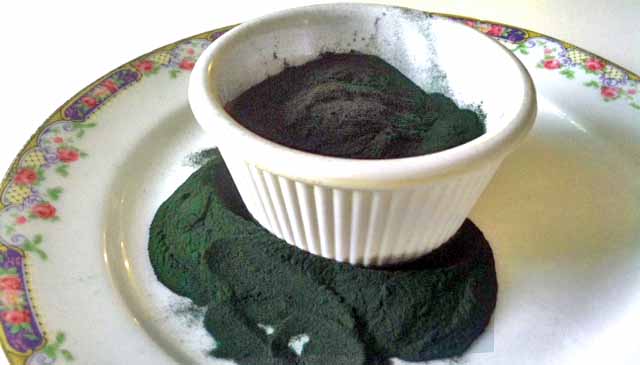
I don’t like using the term superfood, though it could certainly be applied to Spirulina.
Though not technically an herb (actually a cyanobacteria), it boasts
its fair share of health promoting properties. It is rich in
Chlorophyll, and like plants, gets its energy from the sun.
What is it?
Spirulina
is a natural “algae” (cyanbacteria) powder that is incredible high in
protein and nutrients. When harvested correctly from non-contaminated
ponds and bodies of water, it is one of the most potent nutrient sources
available. It is largely made up of protein and essential amino acids,
and I typically recommend it to clients who decide to remain vegetarian
for its high natural iron content.
It is often touted for its high B-12
content, though there is a lot of debate about if this particular form
is a complete and absorbable form of B-12 and I don’t recommend it
completely in place of animal products.
The
high concentration of protein and iron also makes it ideal during
pregnancy, after surgery, or anytime the immune system needs a boost.
Health Properties:
Though it does taste like pond scum, Spirulina has some great health-boosting qualities:
- Spirulina is 65% protein and amino acids including the essential fatty acid gamma linolenic acid (GLA) which has gotten a lot of attention for its anti-inflammatory properties, especially when taken with other quality Omega-3 supplements like Fermented Cod Liver Oil. (I suspect that the benefits of GLA in Spirulina are even more than what the studies have found since these studies often use vegetable oils for their GLA source, and the other inflammatory compounds in vegetable oils can interfere with the anti-inflammatory ability.) It contains all essential amino acids.
- Spirulina contains Omega 3-,6 and 9s and is especially high in Omega-3s.
- Spirulina is extremely high in Chlorophyll, which helps remove toxins from the blood and boost the immune system.
- Spirulina has a very high concentration of bio-available iron and is excellent during pregnancy and for those with anemia and will not cause constipation.
- Spirulina is a great source of other nutrients including (according to Wikipedia): “Spirulina contains vitamins B-1(thiamine), B-2 (riboflavin), B-3(nicotinamide), B-6 (pyridoxine), B-9 (folic acid), vitamin C, vitamin D, vitamin A and vitamin E. It is also a source of potassium, calcium, chromium, copper, iron, magnesium, manganese, phosphorus, selenium, sodium and zinc. Spirulina contains many pigments which may be beneficial and bioavailable”.
- This Spirulina (from Mountain Rose Herbs) was tested be an independent laboratory and found to have an ORAC (Oxygen Radical Absorbance Capacity) of over 24,000 which is 4x the ORAC score of blueberries. The ORAC score is generally used to measure antioxidant ability and concentration in different foods.
- Spirulina is also incredibly high in calcium with over 26 times the calcium in milk, making it excellent for children, the elderly and during pregnancy.
- Some research has suggested that Spirulina may be helpful in allergies and allergic reactions.
- Spirulina’s phosphorus content makes it helpful as part of a tooth remineralization regimen.
- Emerging evidence suggests that it binds with radioactive isotopes and may be useful for radioactivity exposure or radiation therapy.
- The protein in Spirulina is highly usable and has a net protein utilization rate of between 50-61%
- Spirulina can bind with heavy metals in the body and help remove them.
- Spirulina can increase fat burning during exercise.
- Buy Spirulina Here!
Drug With Adverse Effects Used In American Beef since 2007
January 15, 2014
| |
While
the beta-agonist drug Zilmax (Zilpaterol) has been used to promote
muscle growth in American-grown cattle since 2007, news of the dramatic
adverse effects of this drug didn't hit mainstream news—and hence public
consciousness—until late last year.
In
early August, 2013, Tyson Food Inc issued a statement saying it would
no longer purchase Zilmax-fed cattle for slaughter due to animal welfare
concerns.
The company had noticed that many of the cows that had been fed the
drug had trouble walking. The cattle also displayed other behavioral
issues.
Since
then, Cargill Inc. has also decided to reject Zilmax-fed cattle until
it is confident that any animal welfare issues associated with the drug
have been resolved.
Merck,
the maker of the drug, initially said it would halt US and Canadian
sales of Zilmax, pending company research and review. It wasn't long
however before Merck announced it had no plans to discontinue the
product,3 saying the company stands behind the safety of the drug.
At
present, Merck does not need approval from the Food and Drug
Administration (FDA) to return Zilmax to market, as the FDA has not
taken any action against the drug.
Agricultural drug use has become a major health concern for animals and humans alike, and in my view, organic, grass-fed meat that is humanely raised and butchered is really the only type of meat worth eating, if you want to maintain good health.
It is important to understand that grass-fed animals not only produce better eggs, milk & meat - but the return to native perennial grasses is key to future. We destroyed most of the grasslands and replaced them with monocultures like corn and soy.
It is important to understand that grass-fed animals not only produce better eggs, milk & meat - but the return to native perennial grasses is key to future. We destroyed most of the grasslands and replaced them with monocultures like corn and soy.
We then produce
hydrogenated vegetable oil and high fructose corn syrup for human
consumption, and use much of the remainder for feed in concentrated
animal feeding operations.
The grasslands act very much like forests, while deforestation is very well known the destruction of grasslands have similar effects. Perennial grass farming produces more nutritious products, while work in a perfect cycle with nature.
The grasslands act very much like forests, while deforestation is very well known the destruction of grasslands have similar effects. Perennial grass farming produces more nutritious products, while work in a perfect cycle with nature.
Special Report Reveals Shocking Side Effects of Zilmax
Beta-agonist
drugs such as Zilmax belong to a class of non-hormone drugs used as a
growth promoter in livestock. As a class, beta-agonist drugs have been
used in US cattle production since 2003.
They're
fed to cattle in the weeks prior to slaughter to increase weight by as
much as 30 pounds of lean meat per cow. Due to the short window between
administration of the drug and slaughter, as much as 20 percent of it
may remain in the meat you buy.
A recent special report by Reuters4 revealed some of the more horrific effects Zilmax has on cattle:
"As
cattle trailers that had traveled up to four hours in 95-degree heat
began to unload, 15 heifers and steers hobbled down the ramps on August
5, barely able to walk. The reason: the animals had lost their hooves,
according to US Department of Agriculture documents reviewed by
Reuters...
The
next day... two more animals with missing hooves arrived by truck...
The animals' feet were 'basically coming apart,' said Keith Belk, a
professor of animal science at Colorado State University."
Merck responded to Reuters with a statement saying that:
"Several
third-party experts were brought in to evaluate the situation, review
the data and identify potential causes for the hoof issue... The
findings from the investigation showed that the hoof loss was not due to
the fact these animals had received Zilmax."
It
would not, however, disclose the identities of these third-party
experts; nor would they release any more details on the investigation.
According to Reuters, Tyson Foods had noticed "cattle mobility issues"
prior to the August 5 and 6 events that spurred the company to refuse
Zilmax-fed cattle, but none of them had been quite this severe.
Increased Use of Livestock Drugs Is Cause for Concern
Merck
is required by federal law to report all deaths occurring in treated
animals, and Food and Drug Administration (FDA) records show at least
285 cattle have unexpectedly died or been euthanized after receiving
Zilmax since the drug's introduction in 2007.
At least 75 cows lost their hooves and were euthanized within the past two years. Other reported adverse effects in cattle following the administration of Zilmax include:
At least 75 cows lost their hooves and were euthanized within the past two years. Other reported adverse effects in cattle following the administration of Zilmax include:
Stomach ulcers
|
Brain lesions
|
Blindness
|
Lethargy and lameness
|
Bloody nose
|
Respiratory problems
|
Heart failure
|
Sudden death
|
According
to the featured report, it still has not been determined whether Zilmax
is responsible for causing all these side effects—some of them so
severe that cattle have to be euthanized. Some of the statistics are
telling, however. Within the first two years of Zilmax's introduction to
market, the number of euthanized cattle skyrocketed; shooting up by 175
percent compared to the pre-Zilmax range.
One
working theory is that the drug might compound the adverse effects of
ailments associated with confined animal feeding operations (CAFOs),
such as acidosis, which results when a cow eats too many grains or
sugar. Excessive heat may be another compounding factor, as well as
animal genetics.
"Regardless,
the episode at the Tyson plant - which hasn't been publicly disclosed
until now - is coming to light at a time of growing concern over risks
to animal and human health posed by the increased use of pharmaceuticals
in food production," Reuters5 says.
"Livestock
pharmaceuticals use is expanding as part of the push to produce more
meat at lower cost... The cases of hoofless cattle also raise ethical
questions about whether the drive by modern agriculture to produce
greater volumes of food, as cheaply as possible, is coming at the cost
of animal welfare."
Zilmax Banned for Use in Horses Due to Side Effects
Zilmax is already banned for use in horses due to severe side effects, including muscle tremors and rapid heart rates According to a 2008 veterinary case report involving three horses that were given Zilmax:
"Within
90 minutes the horses had muscular tremors which began in the skeletal
muscles of the neck, shoulder, and foreleg and spread throughout the
visible skeletal muscles. Intermittent visible muscular tremors
continued for up to 1 week after the initial dose of zilpaterol. They
also all had certain changes to their blood chemistry, such as elevated
BUN, creatinine, and glucose and mild hyponatremia and hypochloremia...
Liver and kidney changes were also noted."
Ractopamine,
another beta-agonist, is yet another drug used in the US, even though
it's been banned in 160 other countries due to its potential health
hazards. The researchers also noted that Zilmax is about 125 times more
potent than ractopamine, saying this may be why side effects were overlooked in connection with ractopamine studies.
It's worth noting that, in human medicine, the same class of drugs (beta-agonists) can be found in certain asthma medications,
such as Advair. One long-acting beta-agonist called salmeterol was
linked to an epidemic of asthma deaths in the 1960s. Weight gain is also
a common complaint among Advair users—so much so that the manufacturer
has added weight gain to the post-marketing side effects. Other adverse
reactions to beta-agonist drugs include increased heart rate, insomnia,
headaches, and essential tremor—eerily similar to those experienced by
horses. So why wouldn't the drug affect cows in a similar fashion?
Might Beta-Agonists in Meat Pose Human Health Hazards?
According to Randox Food Diagnostics,8
which has created tests for Zilmax residue in beef, use of
beta-agonists prior to slaughter is of particular concern "as this poses
a risk to the consumer and may result in consumer toxicity." Research
findings to this effect include:
- A 2003 study in Analytica Chimica Acta:9 residue behaviour of Zilmax in urine, plasma, muscle, liver, kidney, and retina of cattle and pig was assessed. Two heifers and 16 pigs were treated with Zilmax and slaughtered after withdrawal times varying from 1 to 10 days. The drug was detectable at each point of time examined in all matrices except plasma after a withdrawal period of 10 days. It's worth noting that in the US, the recommended market window is three to 10 days after discontinuing Zilmax10
- A 2006 study11 on residues of Zilmax in sheep found detectable levels in liver and muscle tissues up to nine days after discontinuation of the drug
Even
before it was approved, scientists expressed concerns that
beta-agonists might result in increased cardiovascular risk for
consumers.12 According to an article published in the Journal of Animal Science in 1998:13
"The
use of highly active beta-agonists as growth promoters is not
appropriate because of the potential hazard for human and animal health,
as was recently concluded at the scientific Conference on Growth
Promotion in Meat Production (Nov. 1995, Brussels)."
Not All Meat Is Created Equal
I
believe the movement toward ethical and sustainable meat eating is an
important one, both in terms of animal welfare and human health.
Agricultural drug use is indeed becoming a major health concern for
animals and humans alike, courtesy of factory farming methods where
efficiency and low cost is the primary objective.
Besides beta-agonist drugs like Zilmax and Ractopamine
(the latter of which, by the way, is banned in 160 countries), animals
raised in American confined animal feeding operations (CAFOs) are also
typically given a number of other drugs, including antibiotics and hormones.
You
are essentially getting a concoction of drugs in every piece of meat
you eat. The routine use of antibiotics alone now poses a significant
threat to human health, as it has spawned a dramatic rise in
antibiotic-resistant disease. Instead of their natural diet, which is
plain grass, CAFO cattle are also fed a wholly unnatural diet consisting
of pesticide-laden and oftentimes genetically engineered (GE)
grains—primarilyGE corn and soy.
Organic, grass-fed and finished meat that is humanely raised and butchered is really about the only
type of meat that is healthy to eat. By purchasing your meat from
smaller farms that raise their animals in a humane fashion, according to
organic principles, you're promoting the proliferation of such farms,
which in the end will benefit everyone, including all the animals.
I've also previously written about the atrocities that take place in some U.S. CAFOs,
where filthy, crowded conditions are the norm, and I think most people
would agree that such animal abuse is inexcusable, even if they're
"only" being raised for food. It would be foolish to think that the end
result—the meat from these animals—would have any major health benefits.
In
fact, the differences between CAFO beef and organic grass-fed beef are
so vast; you're really talking about two different animals, and two
separate industries with entirely different farming practices and
environmental impact. The latter also tends to favor far more humane
butchering practices, which is also a very important part of "ethical
meat."
Rethink Your Shopping Habits, to Protect Your Family's Health
Whether
you do so for ethical, environmental, or health reasons — or all of the
above -- the closer you can get to the "backyard barnyard," the better.
Ideally, you'll want to get all your animal products, including meat,
chicken and eggs, from smaller community farms with free-ranging animals
that are organically fed and locally marketed. This is the way food has
been raised and distributed for centuries... before it was corrupted by
politics, corporate greed, and the blaring arrogance of the food
industry.
You
can do this not only by visiting the farm directly, if you have one
nearby, but also by taking part in farmer's markets and
community-supported agriculture programs. The following organizations
can also help you locate farm-fresh foods in your local area, raised in a
humane, sustainable manner:
- Local Harvest -- This Web site will help you find farmers' markets, family farms, and other sources of sustainably grown food in your area where you can buy produce, grass-fed meats, and many other goodies.
- Farmers' Markets -- A national listing of farmers' markets.
- Eat Well Guide: Wholesome Food from Healthy Animals -- The Eat Well Guide is a free online directory of sustainably raised meat, poultry, dairy, and eggs from farms, stores, restaurants, inns, and hotels, and online outlets in the United States and Canada.
- Community Involved in Sustaining Agriculture (CISA) -- CISA is dedicated to sustaining agriculture and promoting the products of small farms.
- FoodRoutes -- The FoodRoutes "Find Good Food" map can help you connect with local farmers to find the freshest, tastiest food possible. On their interactive map, you can find a listing for local farmers, CSAs, and markets near you.
NOTE: It doesn't have to be like this, you can vote with every dollar that you spend, buy from a local rancher and ensure that his stock is grass fed, not grain fed, confirm no steroids, antibiotics, hormones. Or purchase through online companies that specialize in all sorts of yummy Grassland Beef, also lots of other meats to choose from. You'll be amazed at the taste and texture difference, plus you won't have an upset stomach or diarrhea from eating naturally raised meats.
Even meat from boutique butcher shops could be coming from the same CAFO, just packaged more interestingly.
You'll be shocked to learn what domestic cattle eat, if you've ever heard of Distiller Grains, you may never have associated it with feed.
Isn't big business always about money and never about the consumers' health or what they want to buy?
American Whiskey distilleries started production in the US after whiskey imports stopped with the war of 1812. Alcohol production resulted in large amounts of wasted grain. Distillery waste disposal represented a major expense. This distilleries waste by product was called swill or slop.
Now what to do with this chemically altered waste? Why not feed it to the cows? Get rid of the garbage by feeding it to the cows!
Cows are biologically equipped to graze on grass, they do not naturally eat corn or grains. They had to be forced to eat this smelly slop.
Farmers would stop feeding all food and water and give the cows salt to make them thirsty. Then they were given cold slop until they got used to it, it was that or starve. Once the cows were used to it they would be fed the hot slop right from the stills. Streamlined efficiency.
These confined animal feed lots were the precursors to our manure mounded, crowded, disease ridden filthy pens that we have today. The slop made the cows sick. The milk produced from sick cows who were fed this whiskey distillery slop was very poor quality.
Pathogenic bacteria increased resulting in unhealthy and contaminated milk. There was no concern for the cow's health or the quality of the milk or the people who bought and drank the milk. Not surprisingly there were deaths caused by the raw milk produced in those conditions.
Learn More Here
Even meat from boutique butcher shops could be coming from the same CAFO, just packaged more interestingly.
You'll be shocked to learn what domestic cattle eat, if you've ever heard of Distiller Grains, you may never have associated it with feed.
What Do Whiskey & Pasteurized Milk Have In Common?
Money. Big money.Isn't big business always about money and never about the consumers' health or what they want to buy?
American Whiskey distilleries started production in the US after whiskey imports stopped with the war of 1812. Alcohol production resulted in large amounts of wasted grain. Distillery waste disposal represented a major expense. This distilleries waste by product was called swill or slop.
Now what to do with this chemically altered waste? Why not feed it to the cows? Get rid of the garbage by feeding it to the cows!
Cows are biologically equipped to graze on grass, they do not naturally eat corn or grains. They had to be forced to eat this smelly slop.
Farmers would stop feeding all food and water and give the cows salt to make them thirsty. Then they were given cold slop until they got used to it, it was that or starve. Once the cows were used to it they would be fed the hot slop right from the stills. Streamlined efficiency.
These confined animal feed lots were the precursors to our manure mounded, crowded, disease ridden filthy pens that we have today. The slop made the cows sick. The milk produced from sick cows who were fed this whiskey distillery slop was very poor quality.
Pathogenic bacteria increased resulting in unhealthy and contaminated milk. There was no concern for the cow's health or the quality of the milk or the people who bought and drank the milk. Not surprisingly there were deaths caused by the raw milk produced in those conditions.
Learn More Here
Wednesday, January 15, 2014
ZERO Sardines Along Pacific Coast
I don't eat sardines, however, sardines are the main food source for thousands of sea birds, mammals and fish who are starving without this vital food source.
This 11 Minute Video Shows Everything You Need To Know About Fukushima
Understand that there were 3 melt downs in March 2011.
When Reactor 2 melted down on March 29, 2011, the contents in the containment building released RADIATION 10 million times higher than during normal operations. March 11, 2011 radiation began to head west via the Jet Stream, wind and sea currents, with the first radiation from Japan hitting the west coast March 18, 2011.
By April 1 2011 the Fukushima radiation passed over all of North America leaving many areas with very low levels of radiation depending on jet stream distribution. As the jet stream continued around the world radioactive particles fell with rain, snow or as dust particles, before it continued it's deadly circle.
It's not just high levels of radition that cause damage, extreme low levels of radiation do too. These extreme low levels of biologically significant radiation hit North America Mid March 2011. Low levels of radiation were found in Washington and California milk by the end of March 2011, the cows ate the grass, you drank the milk.
Once you ingest or inhale even very low levels of radioactive particles the Petkau Effect immediately starts potentially lethal tissue ionization.
The phenomenon of the Petkau Effect basically means that you are ionizing or irradiating yourself continuously from the inside out. This insidious burning at your molecular level will impair your body long before there is a diagnosable disease.
Free radicals are generated during long term exposure to extremely low levels of radiation. which will exhaust our defenses unless our body has an abundant reserve of antioxidants.
Free radicals, or radicals, are atoms, molecules or ions with unpaired electrons. These highly reactive, molecules are unstable and contribute to the weakening of the body by destroying our cellular structure and making us more vulnerable to disease. When molecules in the body oxidize they become free radicals.
Without sufficient antioxidants to combat the extreme low levels of radiation you will suffer from gene mutation, birth defects, infertility and increased risk for immune related disease, muscle disorders and cancers.
The number of radioactive particles may diminish but the STRENGTH of each particle does not diminish. This RADIATION, with more added each day, continues it's lethal circle around the Northern Hemisphere.
Once radionuclides are released into the environment they circulate and are carried with the winds until they become part of the soil and food chain. They land in our drinking water, are on the pastures that our livestock graze on, are on our vegetables and in our fruit trees....yes, they don't respect organic pastures, or free range animals, or you or me, your children and pets.
This is particularly dangerous for humans because we are at the top of the food chain, where the higher concentrations of radionuclides are.
Is This A Risk For You?
Only one Chernobyl reactor blew, and the plant was only three months old with relatively little radiation. It burned out of control for only 10 days. Chernobyl has killed nearly one million people and counting, according to the New York Academy of Sciences. Many deaths will never be included in the official count, because their cancers won't be connected to Chernobyl. The long term impact of a compromised immune system and the subsequent health challenges will never be officially traced to Chernobyl.
Fukushima's reactors have been operating for 40 years, and would hold about 30 times more radiation than Chernobyl.
You do the math.
This will be with the Northern Hemisphere for thousands of years to come.
Subscribe to:
Posts (Atom)